Conservation and Enhancement of the Citadelle Henry — Haiti (2023–2024)
Client: UTE – MEF
Funding: World Bank, PAST project
In collaboration with heritage architect Daniel Elie
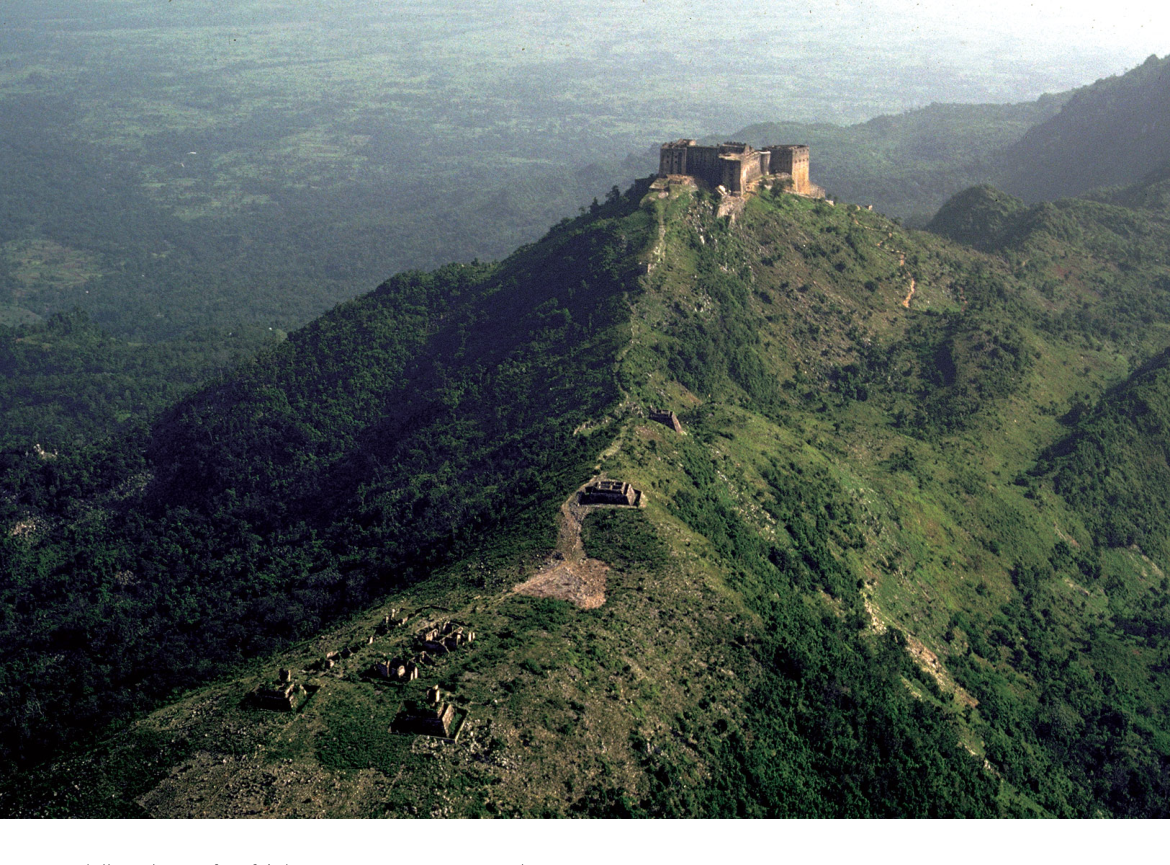
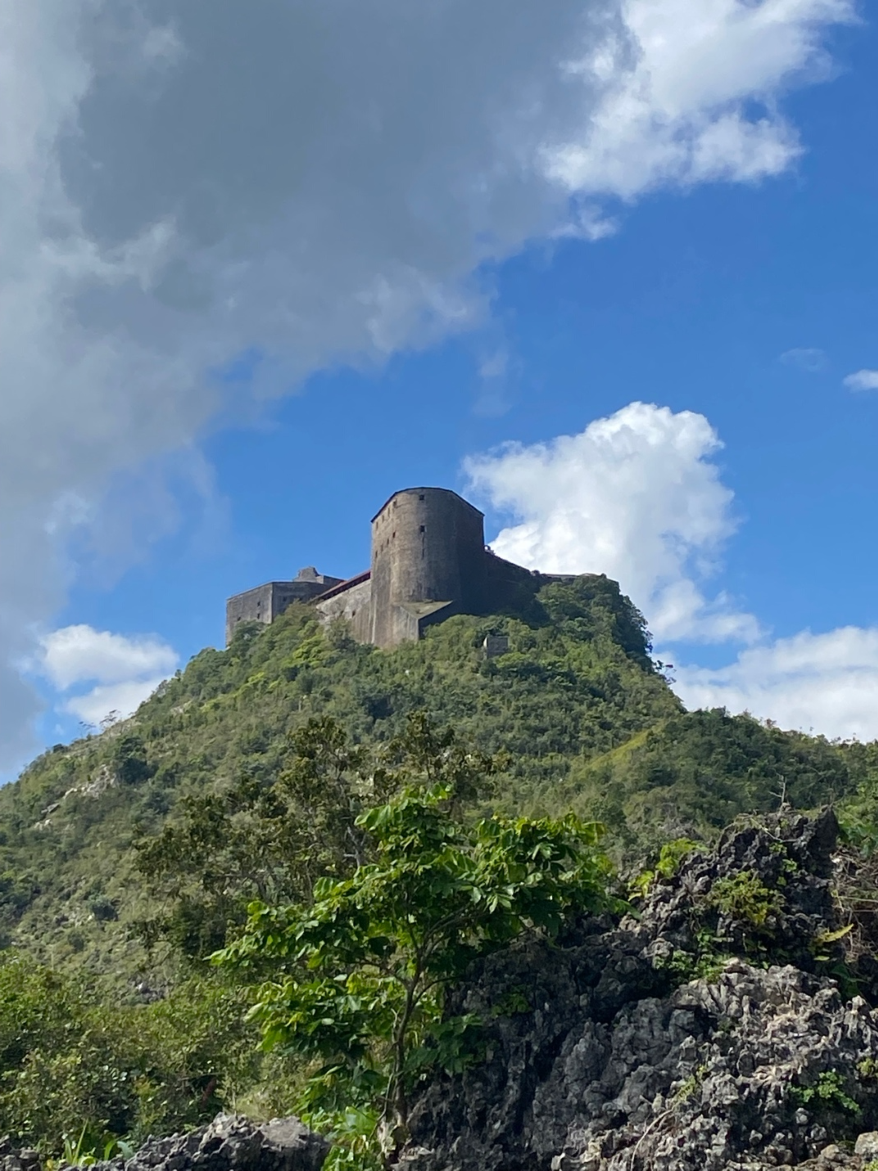
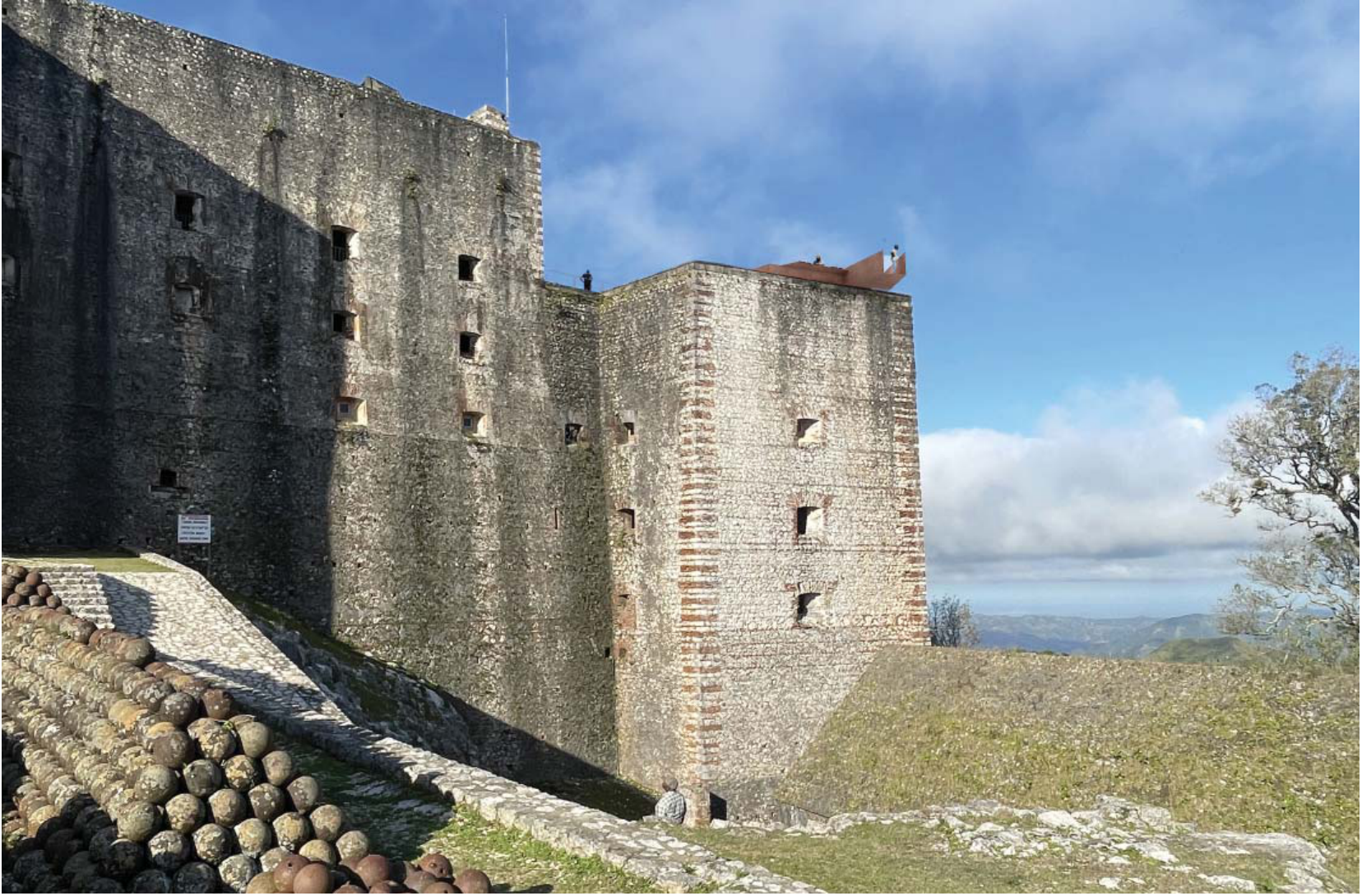
The Citadelle Henry—also known as the Citadelle Laferrière—stands as a major symbol of Haiti’s independence and the struggle against slavery. Commissioned by Henri Christophe, its monumental architecture and mountain-top setting reflect both a strategy for territorial defense and an assertion of hard-won freedom. It is part of the National History Park – Citadelle, Sans-Souci, and Ramiers, which was inscribed on the UNESCO World Heritage List in 1982.
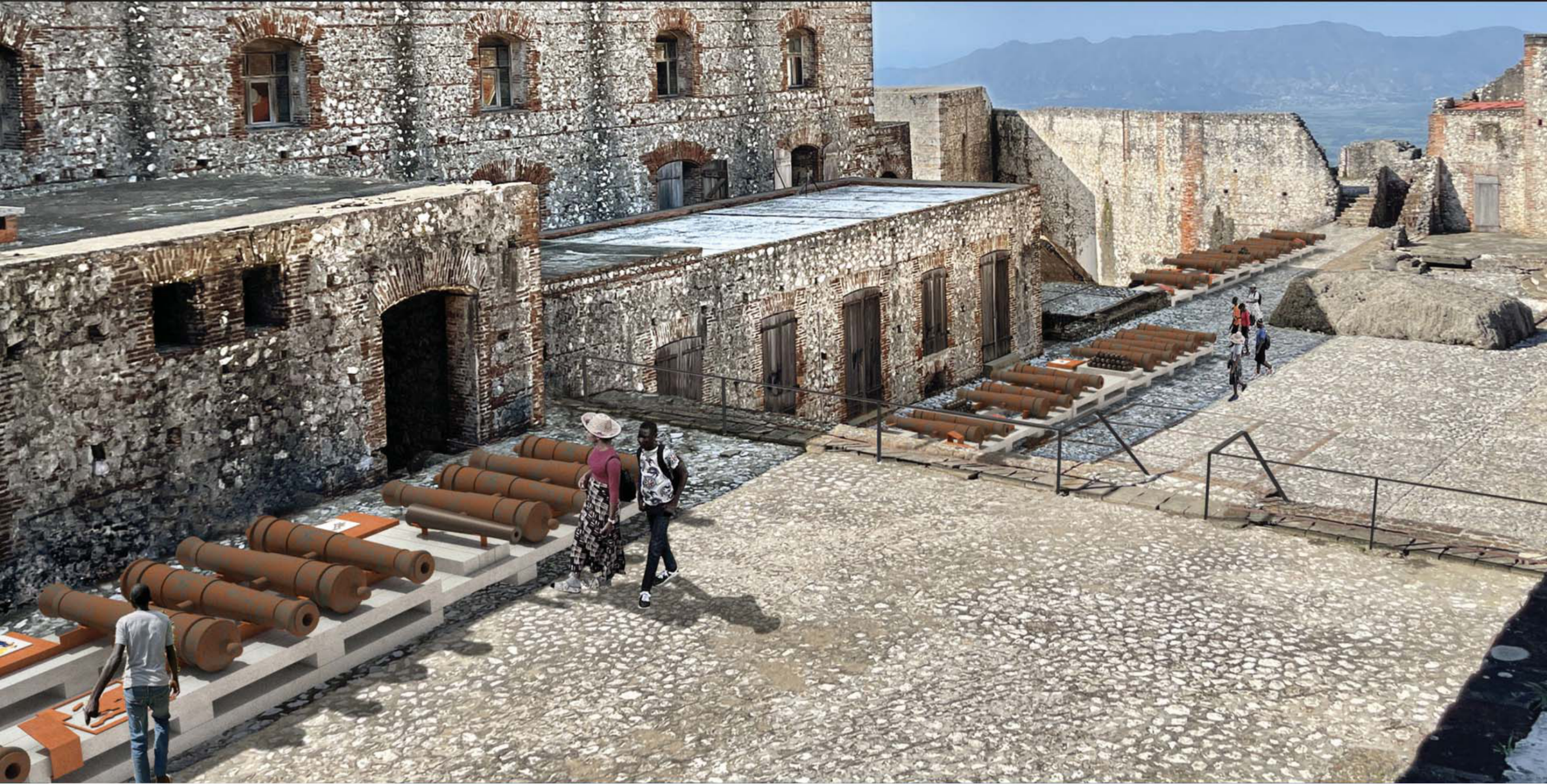
Its significance extends beyond its military dimension. The fortress integrates architecture, landscape, and collective memory; its scale and commanding position offer insight into the determination to protect the territory of the new nation. Furthermore, its artillery collections serve as an exceptional testament to the site’s history and its historical ties to European powers.
As part of the Heritage Preservation and Tourism Sector Support (PAST) program, this project encompasses studies for the conservation, structural consolidation, rehabilitation, enhancement, and interpretation of the monument. The work is being carried out by a consortium comprising Moun Studio, WE Working for Environment, and INES Ingenieros, under the leadership of Haitian heritage architect Daniel Elie, with the collaboration of Philippe Dangles on the exhibition design and visitor experience.
The proposal is based on a comprehensive analysis of the site, covering its historical evolution, construction characteristics, current state of conservation, and existing conditions regarding its use and management. From this perspective, the intervention seeks to balance the protection of the fortress with its accessibility to the public, while preserving the authenticity of its original fabric, the integrity of its spaces, and its relationship with the surrounding landscape. The new interventions should facilitate the use of the monument and allow for a distinction to be made between contemporary additions and the historic structure.
The architectural program organizes the functions necessary for the daily operation of the complex: visitor reception, administration, maintenance, security, and services. It proposes utilizing existing spaces while incorporating new facilities where they are both necessary and compatible with the site’s heritage values. Rest areas, support services, and improvements to accessibility and safety are integrated into the visitor route, ensuring that areas of greater historical and symbolic significance are not overburdened. The management of water, energy, and waste is also considered as part of this reflection on the site’s sustainable operation.
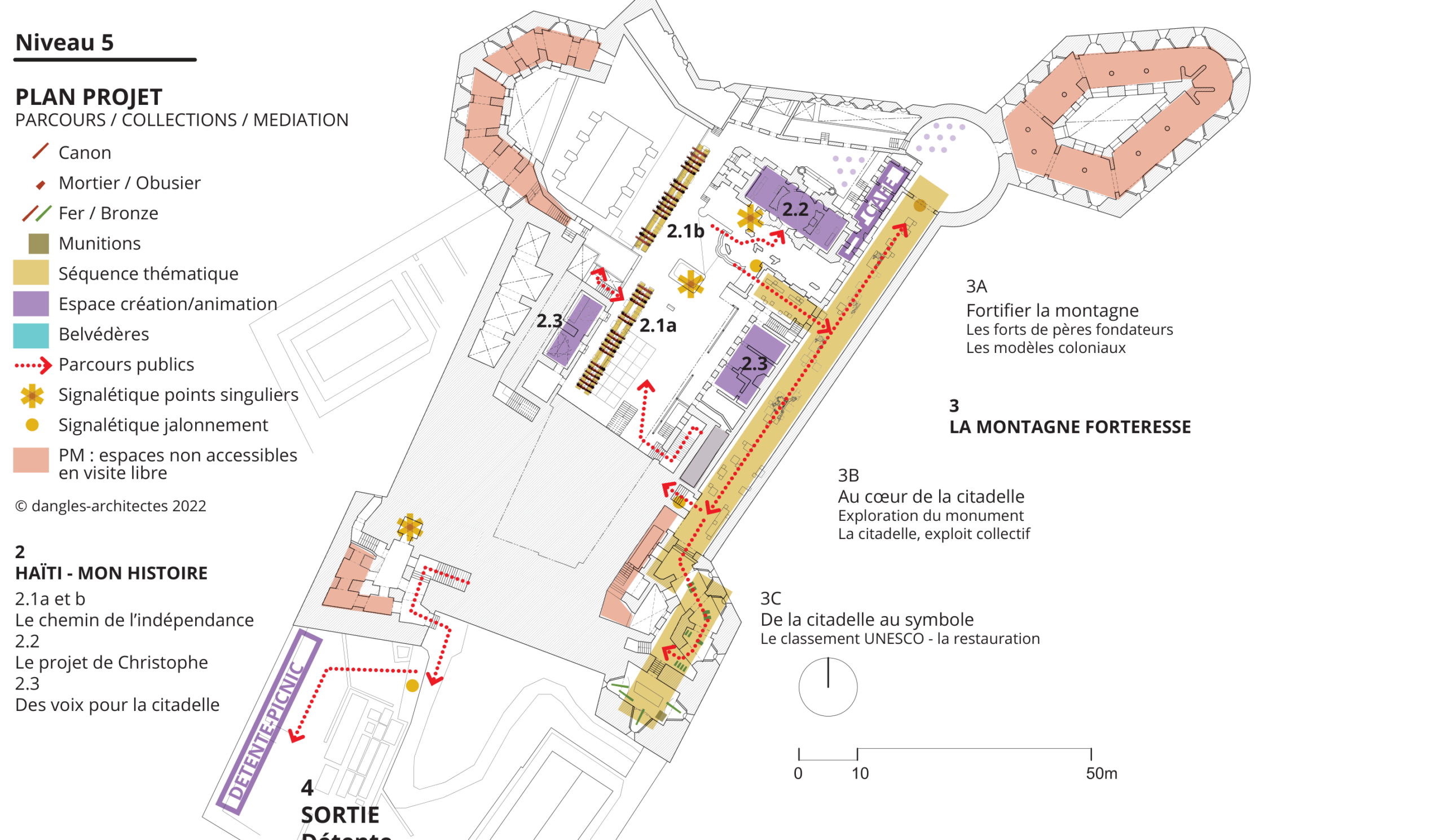
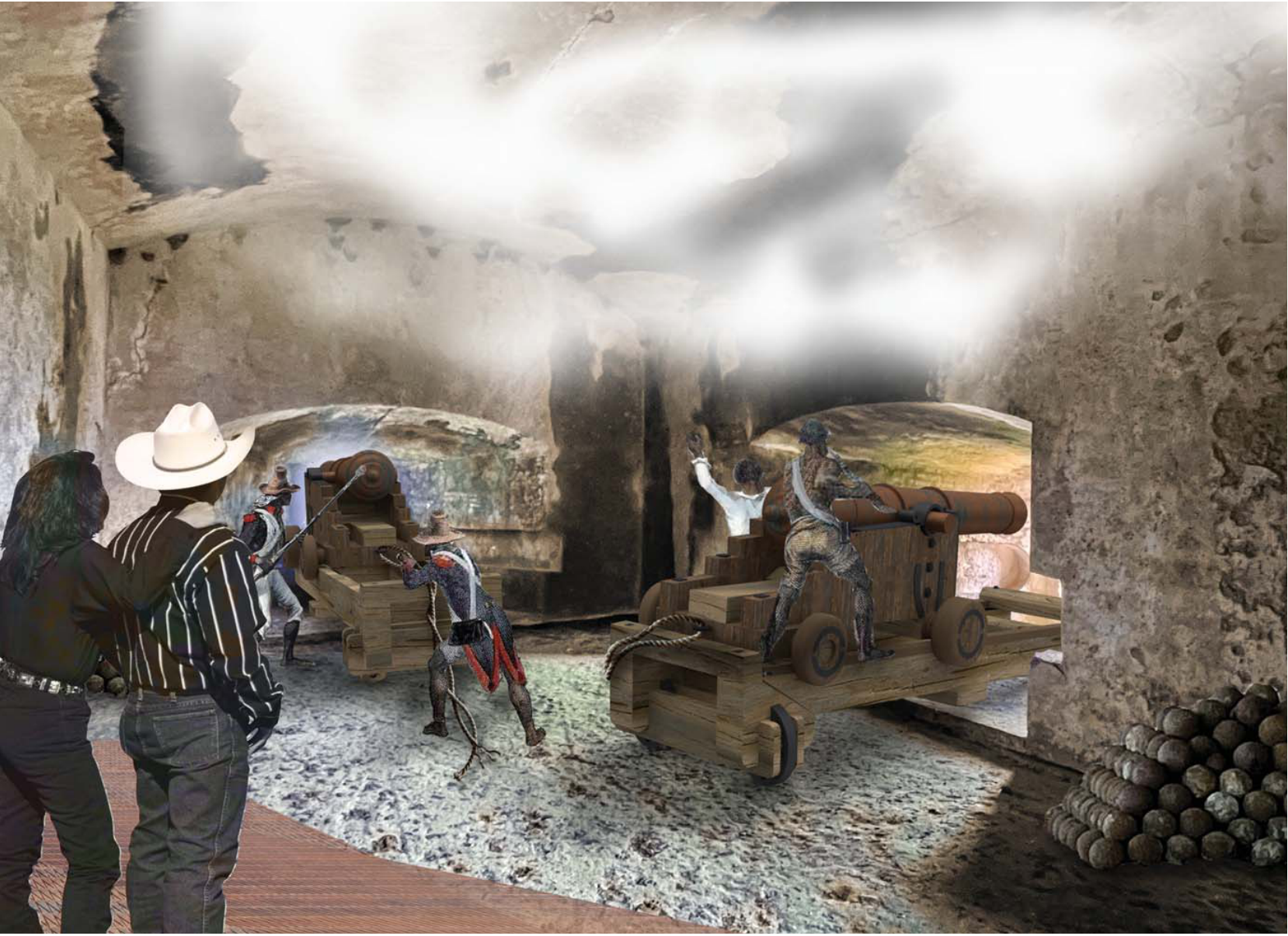
The exhibition design transforms the visit into a progressive exploration of the monument. The route connects three major themes: the fortress and its artillery collections; the history of Haiti, emancipation, and the vision of Henri Christophe; and the construction of the Citadelle as a feat of architecture and engineering adapted to the mountainous terrain.
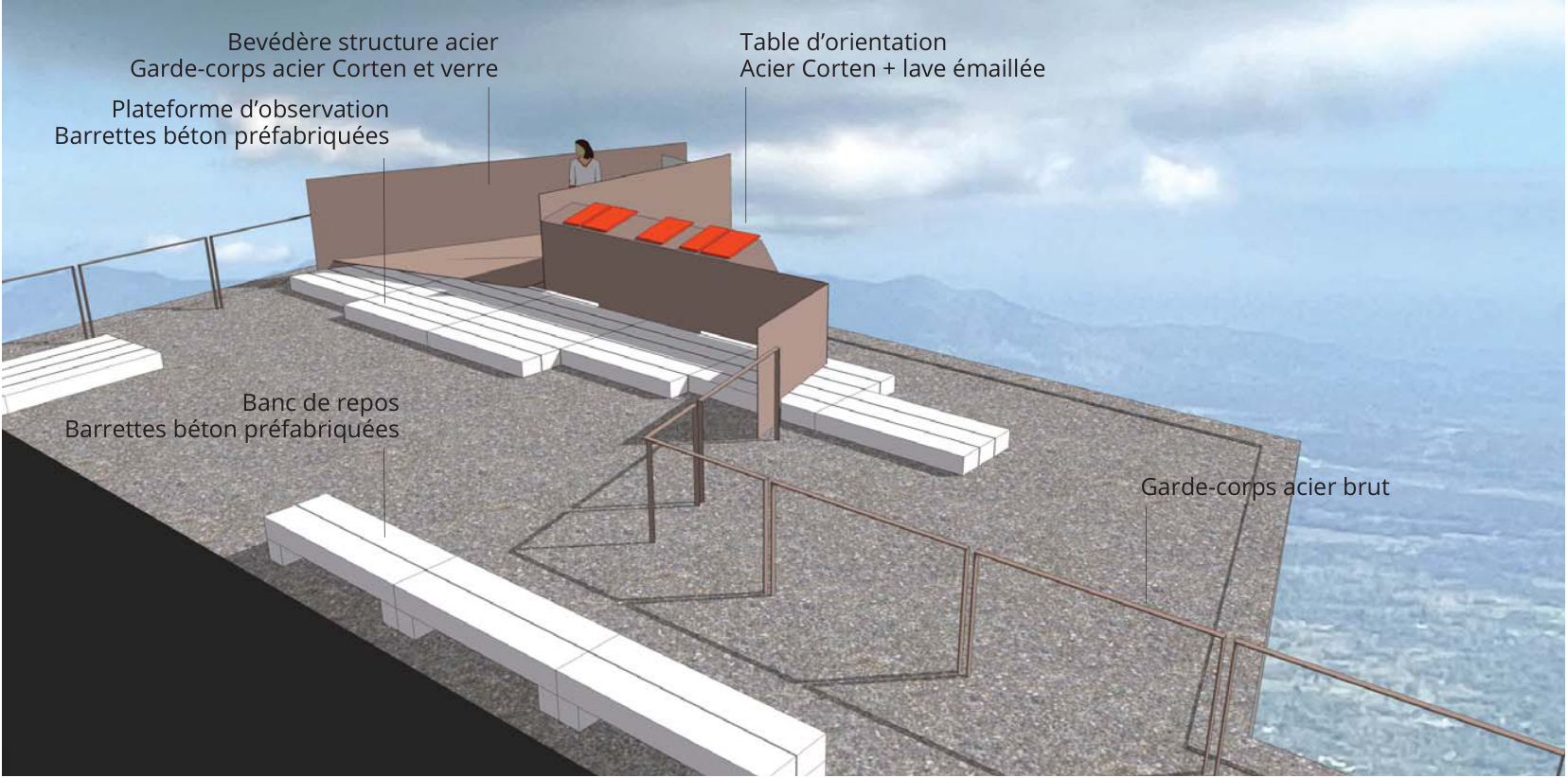
Interpretation is rooted in the direct experience of the spaces, supplemented by scale models, graphic displays, audio elements, and orientation aids. Vantage points allow visitors to link the historical narrative to the landscape visible from the fortress. The proposal accommodates both independent and guided visits, utilizing resources that are accessible to audiences of various ages and levels of prior knowledge. The selection of durable materials and low-maintenance features takes into account the tropical climate, high humidity, and the logistical challenges associated with transporting and installing elements at the site.
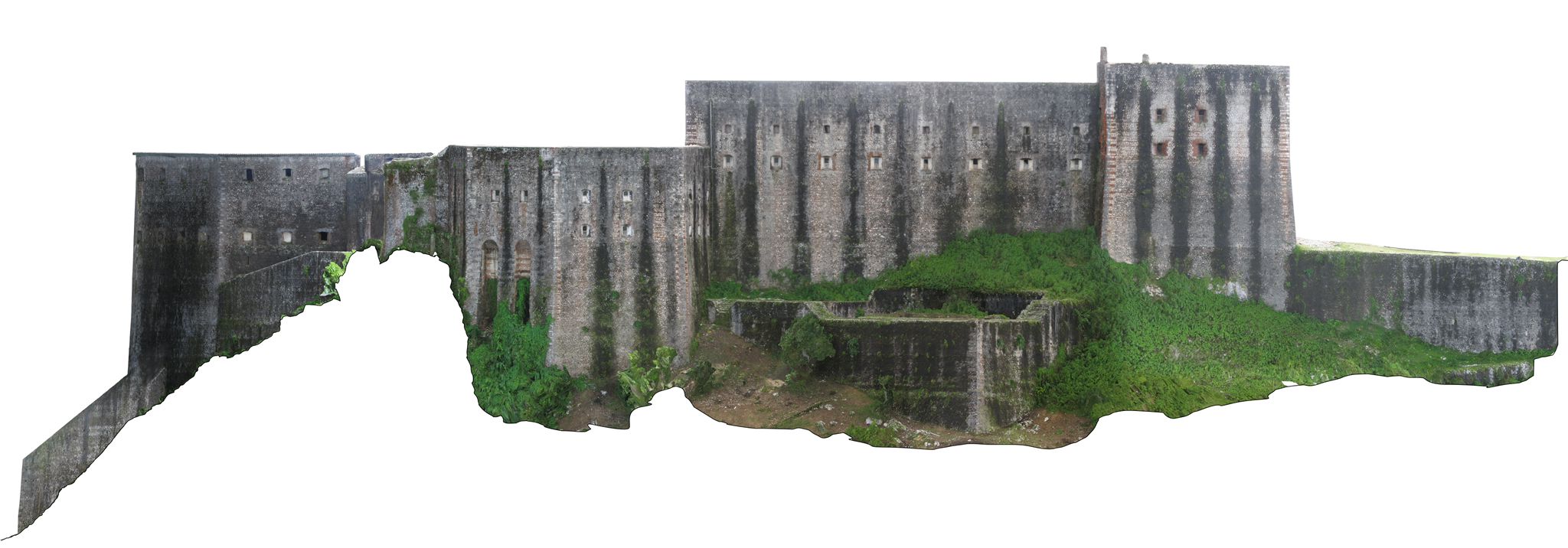
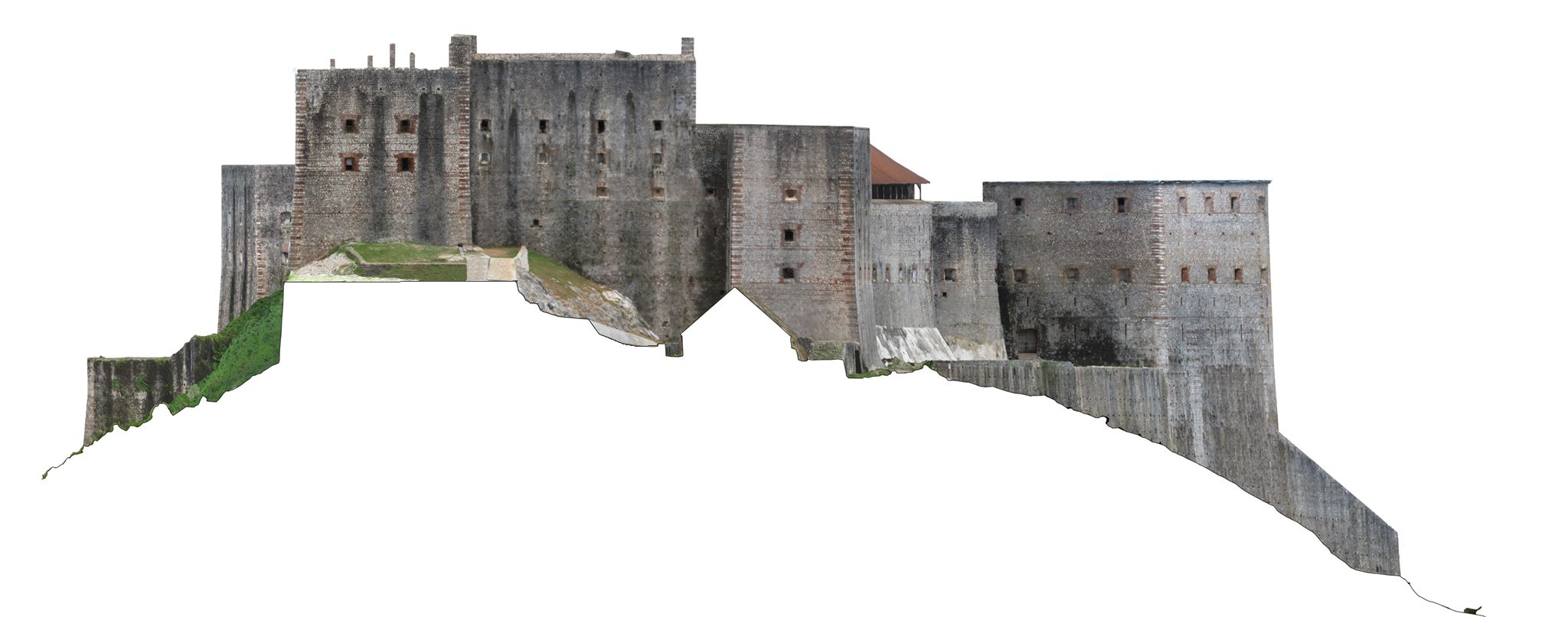
The structural consolidation and reinforcement study, prepared by INES Ingenieros, includes an assessment of structural defects and an evaluation of the seismic response of the fortress’s various components. Particular attention is given to the Coidavid and Marie-Louise batteries, where significant damage and urgent intervention needs have been identified.
The proposed measures include the reconstruction or repair of vaults, the restoration of connections between structural elements, and the consolidation of masonry—all aimed at restoring structural integrity through solutions compatible with the historic construction. The study also addresses waterproofing and rainwater drainage; water infiltration, persistent dampness, and the loss of mortar are key factors contributing to the deterioration of the site. The interventions are categorized by distinguishing between urgent stabilization measures and improvements related to the site’s future use and enhancement.
The project thus approaches conservation as an endeavor rooted in the understanding, maintenance, and use of heritage. Protecting the Citadelle means preserving its physical fabric while simultaneously creating the conditions for the Haitian people and visitors alike to understand, explore, and convey the significance of this exceptional site.